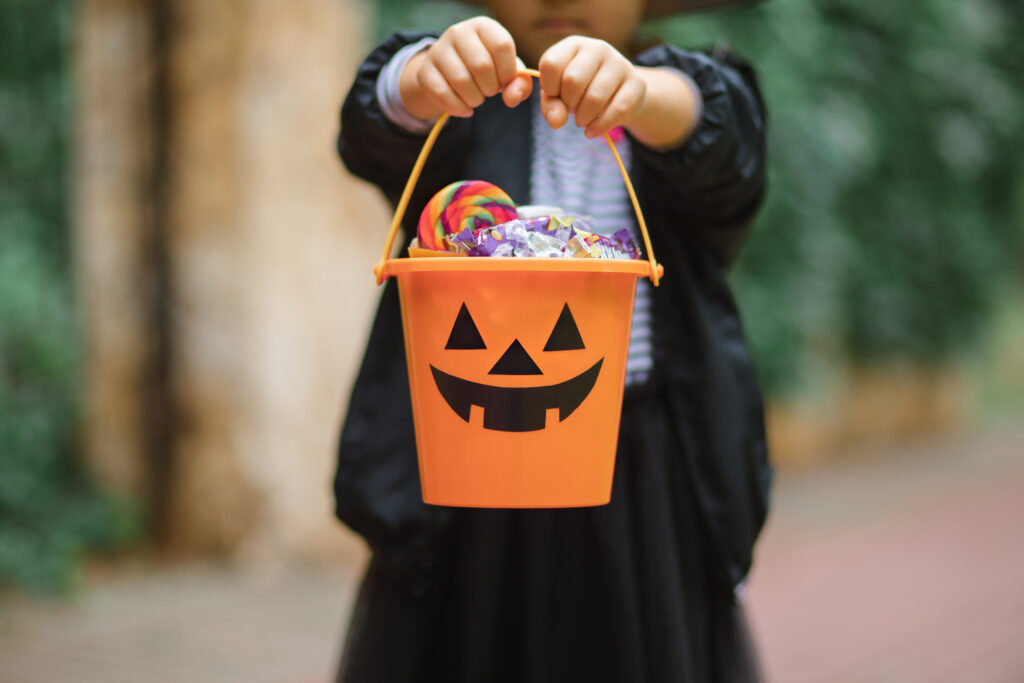
Your kids just dumped a pillowcase of candy onto the living room floor, and you’re doing the mental math. How much is too much? Which pieces are going to send someone to the dentist? If you’ve ever confiscated a jawbreaker on a hunch, you’re asking the right questions, and the Halloween candy teeth answer is more about texture and timing than sugar.
Here’s the short answer to the Halloween candy teeth question: sticky, chewy, and sour candies do the most damage because they either cling to teeth for hours or bathe enamel in acid, while plain chocolate is the safest common treat because it melts and rinses away quickly. Just as important, timing beats totals. A pile eaten after dinner in one sitting is far easier on teeth than the same pile grazed on all week.
At Elevation Dental & Aesthetics, we’ve cared for Marietta families for more than 30 years, and every November we see the same patterns: pulled fillings, popped brackets, and new soft spots on kids’ molars. This guide ranks the worst candy for teeth, explains why, and shares the simple habits that let your family enjoy Halloween without a dental bill. If it’s been a while since your child’s last checkup, October is a smart month to schedule a visit so any weak spots get spotted before the candy does.
Sugar doesn’t dissolve teeth by itself. The bacteria living in dental plaque eat the sugar and produce acid, and that acid is what softens and dissolves enamel. Each time your child eats something sugary, the acid level in their mouth stays elevated for roughly 20 to 30 minutes before saliva neutralizes it and starts repairing the enamel surface. That 20 to 30 minute window is the whole Halloween candy teeth mechanism in miniature.
That timing detail changes everything. Five pieces eaten in ten minutes triggers one acid episode. Five pieces spread across the afternoon triggers five separate episodes, and the teeth spend hours under attack with no recovery time. Frequency beats quantity, and that’s the most useful thing to remember from this whole guide. Nearly all Halloween candy teeth damage is really a frequency problem wearing a sugar costume.
Saliva is your child’s built-in defense. It washes away sugar, buffers acid, and carries minerals that rebuild enamel, so anything that helps saliva do its job, like drinking water with a meal, tips the odds back in your favor. Saliva is also why Halloween candy teeth outcomes differ so much between two kids working through the same bag.
A candy’s texture and acidity matter more than its sugar content. Here’s how the classic haul stacks up, from most damaging to least, and it is the ranking we use whenever a parent asks us a Halloween candy teeth question in the chair.
These are the worst candy for teeth, full stop. They wedge into the grooves of molars and the spaces between teeth, where saliva can’t reach, and a quick brush won’t dislodge them. That trapped sugar feeds acid-producing bacteria for hours after the candy is gone. Sticky candy is also the leading cause of pulled-out fillings and yanked-off crowns we see each fall, and the most common Halloween candy teeth emergency on our schedule. Even “healthy” versions like fruit snacks and dried fruit behave the same way on enamel.
Sour candies skip the middleman. They’re coated in citric or malic acid, so they erode enamel directly on contact before the bacteria even get involved. The American Dental Association puts it plainly: sour candies are high in dietary acids that attack the protective coating on your teeth. Many are gummy too, which combines the two worst traits in one wrapper and makes them the single biggest Halloween candy teeth risk in the bag. If your child loves them, have them eaten with a meal and follow with a water rinse, not an immediate brushing. Brushing enamel that acid just softened can wear it away faster, so wait about 30 minutes.
A lollipop or jawbreaker isn’t sticky, but it dissolves slowly, coating the mouth in sugar for 10 or 20 minutes straight. That’s one very long acid episode. The bigger danger is biting down. Hard candy cracks teeth, splits older fillings, and chips veneers, and those are the Halloween candy teeth emergencies that can’t wait until Monday.
Plain chocolate melts fast, doesn’t cling, and rinses away with a sip of water, which is why the American Dental Association’s Halloween candy guidance calls small amounts of chocolate a decent choice, with dark chocolate carrying less sugar than milk. Watch out for caramel or toffee hiding inside, though. The filling, not the chocolate, sets the risk level, which is the one Halloween candy teeth rule people forget at the bottom of the bag.
If your child has braces, the rules tighten. Chewy and sticky candy grabs brackets and bends or pops wires, and hard candy can shear a bracket clean off. Candy and braces mishaps love Halloween night itself, and every broken bracket means an unplanned repair visit and a longer overall treatment time. Braces turn an ordinary Halloween candy teeth decision into an orthodontic one.
A simple candy and braces rule works well: if it melts, it’s probably fine, and if it chews or crunches, skip it. That leaves soft chocolate without fillings and peanut butter cups on the yes list, and puts taffy, caramel, gummies, licorice, popcorn balls, nuts, and every hard candy on the no list. Clear aligner wearers have it easier, but the tray comes out before any treat and teeth get a rinse or brush before it goes back in, or the aligner holds sugar directly against the enamel.
The same caution applies to anyone with fillings, crowns, or bridges. Sticky candy applies steady pulling force that dental cement isn’t designed to resist forever, so the Halloween candy teeth math is different once you have restorative work in your mouth. If a filling does come out or a tooth cracks during the festivities, don’t wait it out. Elevation Dental offers same-day care and emergency dentistry in Marietta, and a lost filling is much simpler to fix before the exposed tooth picks up decay or a fracture spreads.
The cavity prevention kids respond to doesn’t mean banning candy, and you don’t need to be the house that hands out toothbrushes. Most Halloween candy teeth trouble comes from the grazing week after the 31st, not the night itself, and a few low-effort tactics do most of the work. The American Academy of Pediatric Dentistry’s Halloween tips for parents cover several of them: keep water on hand whenever candy is out, control when the kids can eat it, keep the whole thing fun, and trade in the worst offenders.
Here’s the one we’d add from the chair: serve candy as dessert, right after dinner. Mealtime saliva is already flowing, so sugar clears faster and the acid hit is shorter. Pair it with a glass of water and make “swish before you’re done” the house rule. Then put the stash away somewhere that requires asking, which turns all-day grazing into a once-a-day event and removes most of the Halloween candy teeth risk in a single move.
Make sorting night part of the fun. Let your kids trade the worst candy for teeth, the taffy and the sour gummies, toward a toy, a later bedtime, or a small payout, and keep the chocolate. Candy buy-back and donation drives run in a lot of communities each November, so the extra doesn’t have to end up in your pantry or your kids’ molars.
Finally, keep the cavity prevention kids need running through candy season: brushing twice a day with fluoride toothpaste, flossing where candy hides, and regular cleanings. For school-age kids in our neighborhoods around Marietta Square and West Cobb, sealants and fluoride treatments add real protection right where gummies do their worst, in the deep grooves of new molars. Our preventive dentistry team applies both as needed, and it’s the cheapest Halloween candy teeth insurance there is.
Not right away if the candy was sour or acidic. Acid temporarily softens enamel, and brushing during that window can abrade it. Rinse with water first, wait about 30 minutes, then brush thoroughly with fluoride toothpaste. It is the one Halloween candy teeth instinct worth overriding.
Mostly, yes. Without sugar, plaque bacteria have nothing to turn into acid, and sugar-free gum with xylitol even stimulates protective saliva. Watch for two catches: sour sugar-free candies still carry enamel-eroding acid, and hard sugar-free candy still cracks teeth. Sugar-free is a smaller Halloween candy teeth problem, not a solved one.
Save any broken piece, rinse the mouth with warm water, and call us. We make every effort to see emergencies the same day. A chip or lost filling usually isn’t painful at first, but the longer it waits, the bigger the repair tends to become.
Yes. We treat families across every age group and use nitrous oxide as appropriate for certain procedures, so a checkup stays calm for kids who need extra help.
The whole story of Halloween candy and teeth comes down to a few choices: steer the haul toward chocolate, keep candy to mealtimes with water on the side, protect the braces, and let sorting night handle the rest. Handle those four, and the Halloween candy teeth question mostly answers itself. If you’d like a partner in the effort, Elevation Dental & Aesthetics has helped families on Kennesaw Avenue and across Marietta keep healthy smiles for over three decades. Reach out to our team to set up checkups for the whole crew, and we’ll make sure November’s biggest surprise is how good everyone’s teeth look.

Dr. Lan Thanh Vo is the owner of Elevation Dental and Aesthetics, a practice on Kennesaw Avenue in Marietta, Georgia. Under her leadership, Elevation Dental has become known for patient-first care that blends modern dentistry with a comfortable, welcoming experience. The practice offers a full range of services, including general and family dentistry, cosmetic treatments, dental implants, and facial aesthetics, so patients can care for both their oral health and their confidence in one place. Dr. Vo and her team take time to answer the practical questions patients bring with them, from scheduling to what to expect at a first visit. On the blog, she shares clear, approachable guidance on dental health, cosmetic options, and aesthetics to help Marietta-area families make informed decisions about their smiles.