
Placing a dental implant has always demanded skill, but the way that skill is applied has advanced dramatically. Implant placement once relied heavily on a surgeon’s hands and judgment in the moment. Now, it can be planned down to the millimeter before treatment ever begins.
At Elevation Dental and Aesthetics, guided implant surgery in Marietta, GA lets us place dental implants with greater accuracy, comfort and predictability. For our patients, that precision tends to mean smaller incisions, faster healing and better results. If you’re cautious about implant treatment, this approach offers reassurance, because much of the work is carefully mapped out long before you sit in the chair.
Traditionally, implant surgery depended on two-dimensional X-rays and the surgeon’s real-time assessment during the procedure. Skilled clinicians achieved good results this way for decades, but a flat image can’t fully reveal the three-dimensional landscape of bone, nerves and neighboring roots beneath the surface.
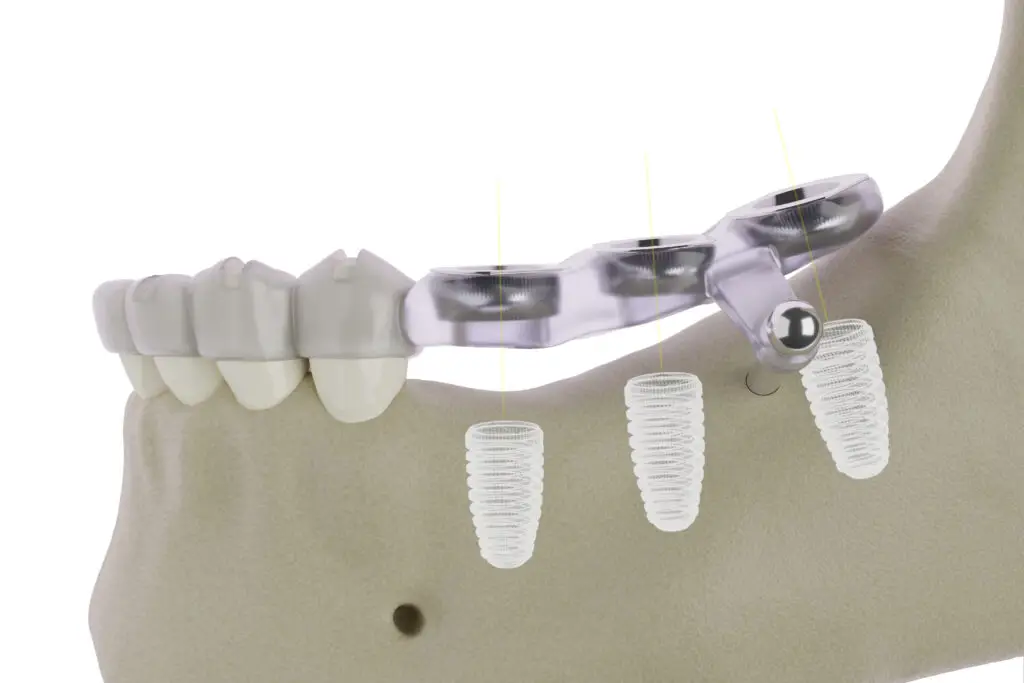
Guided implant surgery replaces that guesswork with a detailed digital blueprint. Computer guided dental implants are planned in advance on a three-dimensional scan, then placed using a custom surgical guide that directs each implant exactly as designed.
The careful thinking happens beforehand, on a screen, rather than in the moment. When it’s time to place your implant, we’re following a plan we’ve already perfected together.
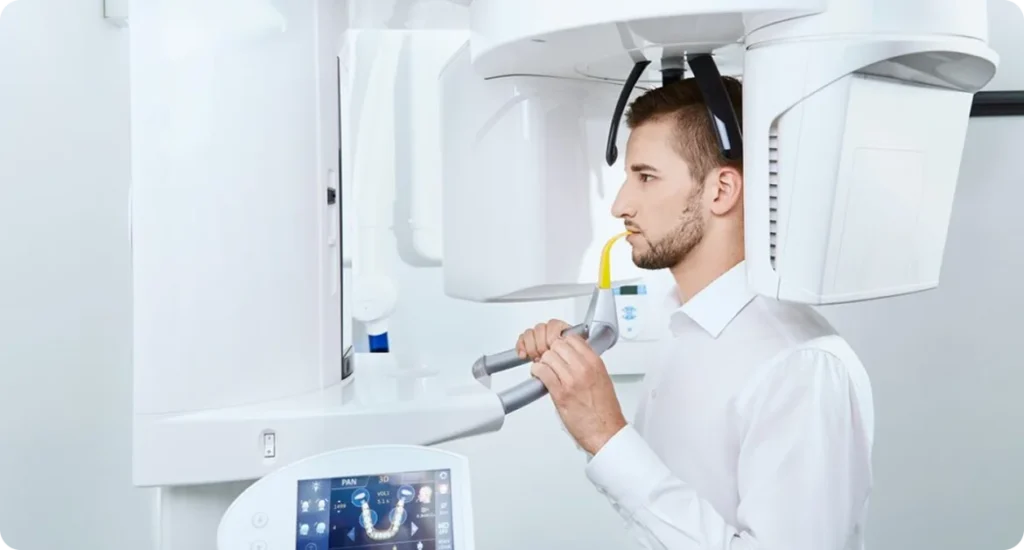
We capture a three-dimensional cone beam (CBCT) scan of your jaw. It shows far more than a standard X-ray: the width and height of your bone, the location of nerves and sinuses and the precise contour where the implant will go.
On the computer, we position each implant in the ideal spot, choosing the placement that offers the best support, the most natural final result and a safe distance from important structures. This 3D implant planning lets us review and refine the plan before your procedure.
The finished plan is used to create a precise template that fits over your teeth or gums.
During the procedure, the guide directs each step so the implant goes exactly where we intended.
Technology matters most when it improves your comfort, safety and results. The benefits of guided implant surgery show up in how the procedure feels and how well you recover:
Because placement is planned so precisely, we can often use a smaller opening, which tends to mean less discomfort afterward and a quicker return to normal life.
An implant positioned exactly as planned supports a crown or restoration that looks and functions more naturally.
Mapping nerves and other structures in advance dramatically reduces the risk of surprises during surgery.
Because so much is decided beforehand, appointments often move more efficiently.
Guided placement supports nearly every kind of implant treatment, from a single tooth implant to implant supported dentures and full arch reconstruction, where several implants must work together.
Your CBCT scan also shows us whether there’s enough bone to support an implant. If there isn’t, we may recommend bone grafting first, and we’ll plan the graft with your final implant position in mind.
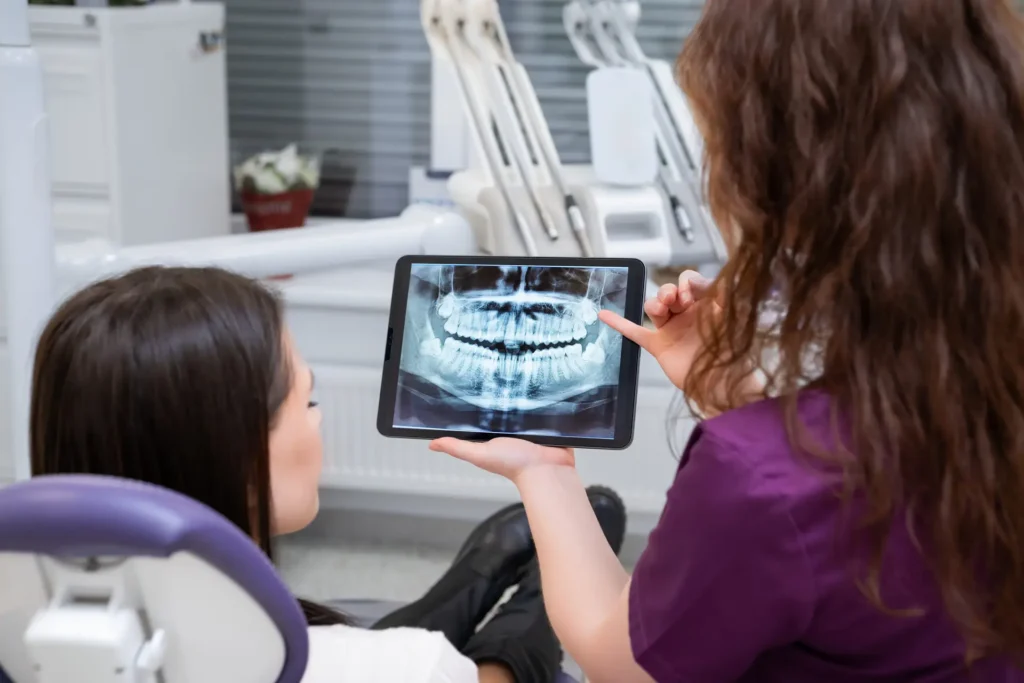
Much of the anxiety people feel about implant treatment comes from the unknown. Guided implant surgery removes a great deal of that uncertainty. Once the procedure is underway, we aren’t figuring things out as we go; we’re carrying out a plan we’ve already reviewed and refined. Many patients tell us that knowing the procedure was planned in such detail helps ease their nerves before they ever begin.
That predictability tends to make the whole experience calmer, and our gentle, unhurried approach helps even nervous patients feel at ease. If you’d like extra help relaxing, we offer nitrous oxide and other sedation dentistry options.
Guided implant surgery is one part of a larger journey toward replacing a tooth or rebuilding a smile. Because one team handles every stage, we plan your guided surgery with the finished result in mind, so the implant is positioned not just safely but ideally for the crown or bridge that completes your smile.
Your 3D implant planning accounts for that final restoration from the very first scan, and there’s no need to coordinate between separate offices. You get one seamless plan from start to finish, with the precision of guided surgery serving your ultimate goal rather than standing apart from it. The ADA offers a helpful overview of dental implants if you’d like to learn more, and the FDA explains how dental cone-beam CT imaging works.
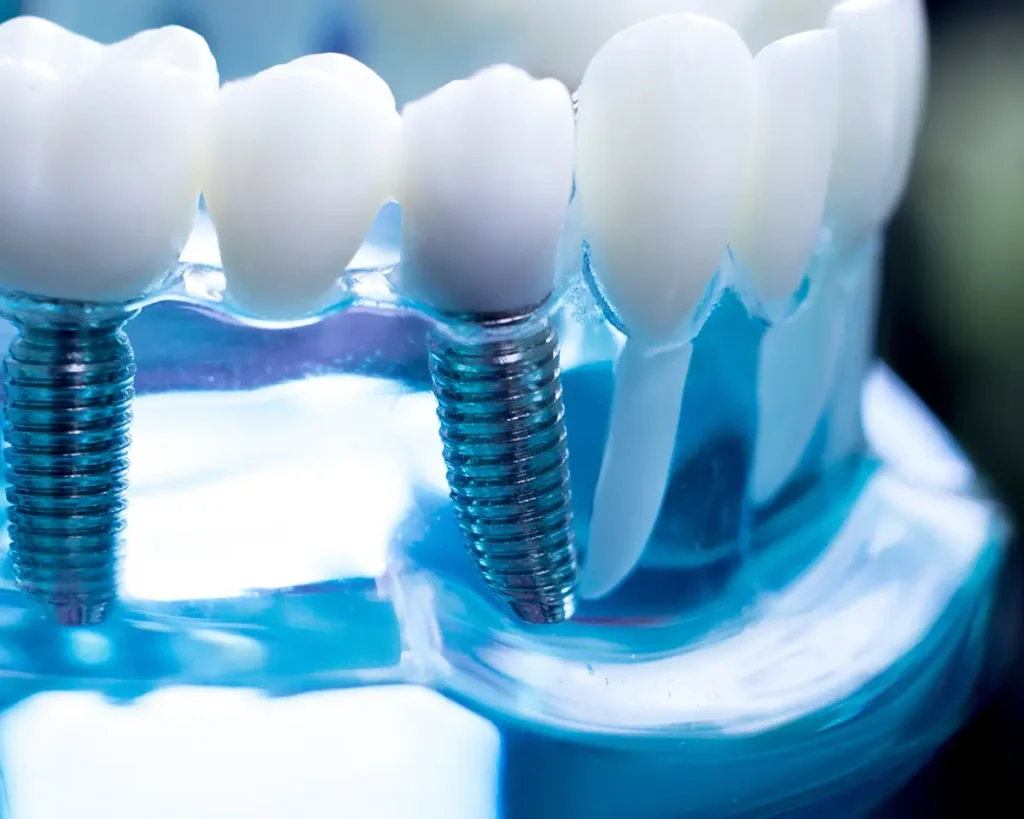
It’s a way of placing dental implants using a digital plan built from a 3D scan. A custom surgical guide directs each implant to the exact position, angle and depth we planned in advance.
A CBCT, or cone beam, scan is a three-dimensional image of your jaw. It shows bone, nerves and sinuses in far more detail than a standard X-ray.
Often, yes. Precise planning frequently allows a smaller opening, which tends to mean less discomfort and faster healing.
Mapping nerves and other structures in advance greatly reduces the risk of surprises during surgery, which adds an important layer of safety.
Not always. Your scan shows whether you have enough bone. If you don’t, we’ll talk about grafting options first.
Replacing a missing tooth with an implant may feel like a big step, but modern technology has made it more precise and more comfortable than ever. Contact Elevation Dental and Aesthetics in Marietta to schedule your consultation and find out if guided implant surgery is right for you.