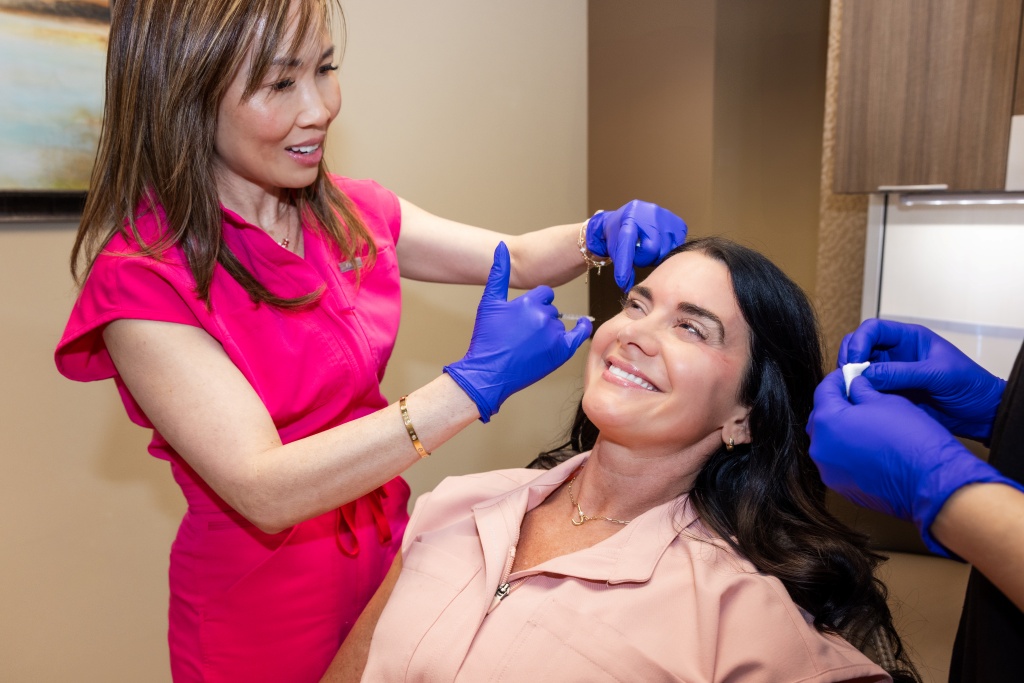
Botox for TMJ in Marietta, GA

Refresh Your Appearance with Botox at Elevation Dental

Jaw pain can affect nearly every part of your day. Eating, speaking, yawning, and even sleeping may become uncomfortable when the temporomandibular joint is not functioning properly. If you struggle with chronic jaw tension, headaches, facial soreness, or teeth grinding, Botox may provide an effective solution. At Elevation Dental, we offer Botox treatment for TMJ in Marietta, GA, to help patients experience greater comfort and improved quality of life.
 
Many people know Botox for its cosmetic benefits, but it has also become a valuable treatment option for certain patients dealing with jaw muscle tension and TMJ-related symptoms. By relaxing overactive muscles, Botox can reduce strain on the jaw and help minimize the discomfort associated with chronic clenching and grinding.

What Is TMJ Disorder?

The temporomandibular joints connect your lower jaw to your skull and play a critical role in everyday movements. These joints allow you to chew, talk, swallow, and move your mouth comfortably. When problems develop within the joint or surrounding muscles, patients may experience what is commonly referred to as TMJ disorder.
Symptoms can vary from person to person and may include:
  • Jaw pain or tenderness
  • Frequent headaches
  • Facial muscle soreness
  • Clicking or popping sounds when opening the mouth
  • Difficulty chewing
  • Ear discomfort
  • Neck tension
  • Teeth grinding or clenching
  • Limited jaw movement
For many patients in Marietta, GA, TMJ symptoms can become a persistent source of frustration that interferes with daily life.

How Botox Helps with TMJ Symptoms

Botox works by temporarily relaxing targeted muscles. When injected into overactive jaw muscles, it can reduce the excessive contractions that contribute to clenching, grinding, and muscle tension. As these muscles relax, many patients experience less pressure on the jaw joint and surrounding structures.
 
The treatment is commonly directed toward muscles such as the masseter and temporalis, which are frequently involved in TMJ discomfort and bruxism. By decreasing muscle activity, Botox may help reduce pain, improve jaw function, and lessen tension headaches associated with excessive jaw movement.

Why Patients Choose Botox for TMJ

Many traditional TMJ treatments focus on managing symptoms through oral appliances, lifestyle changes, physical therapy, or medication. While these approaches can be highly effective, some patients continue to experience discomfort despite conservative treatment efforts. Botox offers another option that may complement a comprehensive TMJ treatment plan.

Reduced Jaw Tension

Chronic muscle contraction can place excessive stress on the jaw. Botox helps relax these muscles and may decrease overall tension.

Fewer Headaches

Many TMJ patients experience recurring headaches caused by jaw muscle strain. Relaxing the affected muscles may help reduce headache frequency and intensity.

Relief from Teeth Grinding

Grinding and clenching place tremendous pressure on the teeth and jaw. Botox can help reduce the force generated by overactive muscles.

Improved Comfort

Many patients report greater ease when speaking, chewing, and performing everyday activities after treatment.

Non-Surgical Treatment

Botox provides a minimally invasive option for patients seeking relief without surgical intervention.

The Advantage of Receiving Botox from a Dentist

Dentists possess extensive knowledge of facial anatomy, muscle function, and jaw mechanics. Because TMJ disorders directly involve oral and facial structures, dental professionals are uniquely qualified to evaluate and treat many of the underlying causes of jaw discomfort.
 
At Elevation Dental, we carefully assess each patient’s symptoms, muscle activity, and treatment goals before recommending Botox. Our understanding of facial balance and muscle function allows us to provide precise injections designed to target the areas contributing to your discomfort.
 
Patients throughout Marietta, GA, appreciate receiving both dental and facial treatment expertise in one convenient location.
injectables

FAQs

What Happens During a Botox Appointment?
Your visit begins with a comprehensive consultation. We discuss your symptoms, medical history, and previous TMJ treatments to determine whether Botox may be appropriate for your needs.
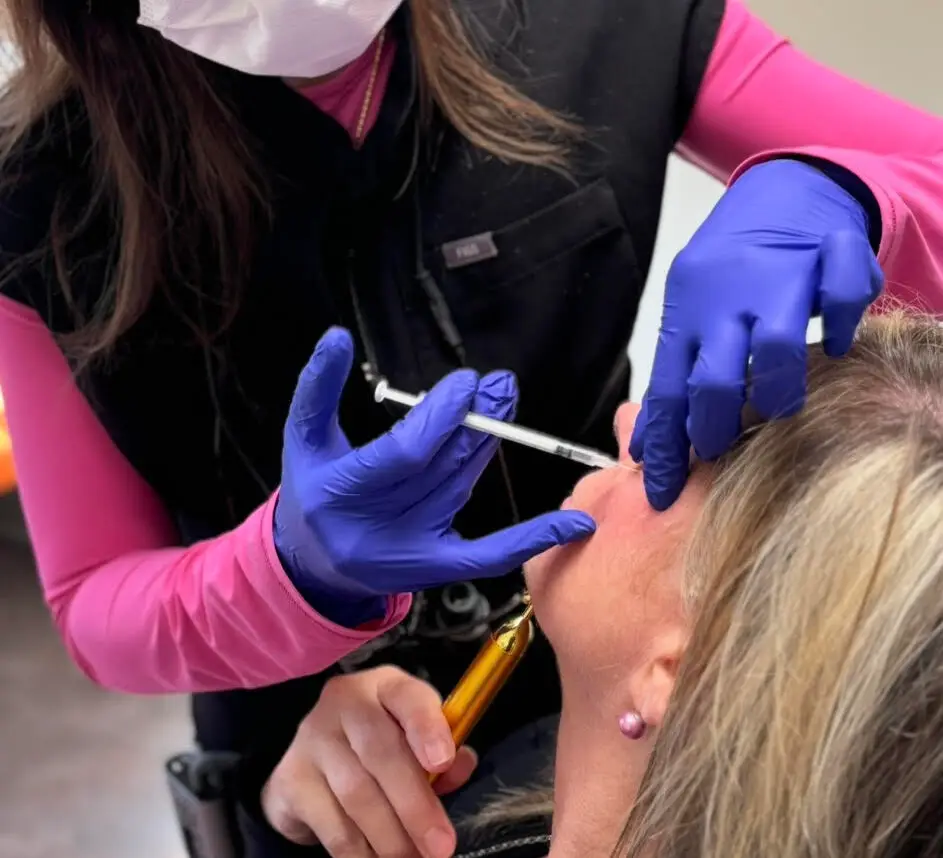
During treatment, small amounts of Botox are injected into carefully selected muscles. The process is quick and typically completed in less than 30 minutes. Most patients describe the injections as causing only minor discomfort.
Because the procedure requires little downtime, many individuals return to their normal activities immediately after their appointment. This convenience has made Botox an increasingly popular treatment option for busy adults seeking relief from chronic jaw tension.
Botox does not produce immediate changes. Most patients begin noticing improvement within several days, with full effects becoming more apparent over one to two weeks.
As the muscles gradually relax, patients often experience reduced tension and improved comfort. Results develop naturally, allowing for a gradual improvement in symptoms rather than an abrupt change.
The effects of Botox are temporary. Most patients enjoy relief for approximately three to four months before additional treatment may be recommended. Individual results vary depending on muscle strength, metabolism, and the severity of symptoms.
Many patients choose routine maintenance visits to help preserve their results and maintain symptom relief throughout the year.
Not every case of TMJ disorder requires Botox treatment. TMJ conditions can develop from a variety of causes, including joint dysfunction, injury, arthritis, stress, and muscle overuse. For this reason, a thorough evaluation is essential before selecting the best treatment approach.
At Elevation Dental, we focus on identifying the source of your symptoms and developing a personalized plan that addresses your specific needs. Botox may be recommended as part of a broader strategy that includes nightguards, restorative treatment, stress management, or other therapies when appropriate. Conservative therapies are often considered before Botox, depending on the patient’s condition.
Bruxism, commonly known as teeth grinding, frequently contributes to TMJ discomfort. Many patients clench or grind their teeth while sleeping without realizing it. Over time, this habit can wear down enamel, damage restorations, and create significant jaw strain.
Botox helps by reducing the strength of repetitive muscle contractions responsible for grinding. Patients often notice less morning soreness and decreased muscle fatigue after treatment.

Personalized TMJ Care in Marietta, GA

Every patient experiences TMJ symptoms differently. Some individuals struggle primarily with headaches, while others are affected by jaw pain, grinding, or facial tension. Our team takes the time to understand your concerns and create a treatment plan tailored to your unique situation.
At Elevation Dental, we are committed to helping patients throughout Marietta, GA, achieve greater comfort and long-term oral health. Whether Botox is the right solution or another treatment option would be more beneficial, we will guide you toward the care that best supports your needs.

Schedule Your Appointment Today

You do not have to live with chronic jaw discomfort, headaches, or muscle tension. If TMJ symptoms are affecting your daily life, our team can help you explore available treatment options, including Botox.
Contact Elevation Dental today to schedule your consultation and learn whether Botox treatment for TMJ in Marietta, GA, may be right for you. We look forward to helping you achieve lasting relief and a healthier, more comfortable smile.